
Articles
-
 The best way to create a checklist driven proposal is not what you think. It’s not about checking off which content to include in a template. At least not if you want to win. A checklist driven proposal should be about what you need to write or do in order to win. A checklist driven proposal should help you figure out what you need to say in order to win instead of picking from a list of things said in the past to other customers in other contexts. When you know what
- 0 comments
- 7,806 views
-
Within the MustWin Process Architecture we divide the performance layer into the following areas: proposal management, proposal writing, and quality validation. The performance layer is where the proposal document gets created. It is what is traditionally thought of as the proposal process, only it is organized architecturally instead of sequentially. This is because we are addressing functionality and not sequence, and functionally proposal development consists of the actual writing and pr
- 0 comments
- 149 views
-
 Most people do not follow their company’s proposal process. Most proposal managers blame process failure on the participants not having enough discipline to follow the process. People focus on the burden of following a process. Or the need for training about the process. But those are not the real reasons that people are not following the process. The real reason your process is failing is that it’s not delivering the information that people need. They get an assignment and an RFP that they
- 0 comments
- 6,820 views
-
 Having a proposal process is easy. Successfully implementing a proposal process is hard. And everyone else is to blame. Okay, maybe you are part of the problem too. I call it the Other People Problem. To create a proposal bigger than yourself, you have to be able to work through other people. And other people are problematic in so many different ways. For something to be a proposal process, it must be something that other people can implement. If a specific person is required for it to
- 0 comments
- 4,630 views
-
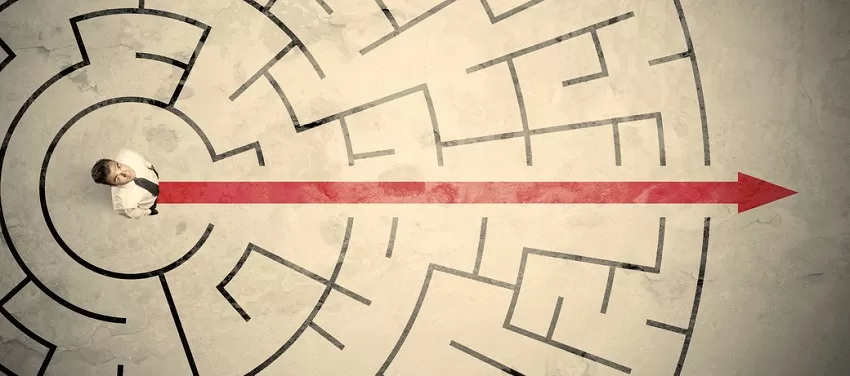 Most proposal processes, whether they realize it or not, are about the flow of information. You could create a proposal process just by looking at how information needs to be discovered, transformed, and handed off from one person or step to the next. It works even better if you start at the end, with a winning proposal, and work backwards to define the flow of information needed to arrive at it. But it can get pretty complicated, especially when you take the enormous amount of flexibility requi
- 0 comments
- 4,207 views
-
How should you position your experience to get the best score? You may need to position things differently in different sections of the proposal where experience is relevant. Make sure you thoroughly tailor any experience write-ups you might be reusing to match the way you will be positioning it. You can’t be all things to all people. What matters about your corporate experience to the new customer? Don’t try to position against all of these that sound beneficial. Carefully select the ones
 Guest
Guest- 0 comments
- 0 views
-
How should you position your experience to get the best score? You may need to position things differently in different sections of the proposal where experience is relevant. Make sure you thoroughly tailor any experience write-ups you might be reusing to match the way you will be positioning it. You can’t be all things to all people. What matters about your corporate experience to the new customer? Don’t try to position against all of these that sound beneficial. Carefully select the ones
- 0 comments
- 482 views
-
 In certain service sectors, capabilities and corporate experience are talked about as if they are the same thing. While they are related, they are not the same. And they should not be written about in your proposals as if they are the same. A company can have experience in an area, but not have any capability in it. How’s that? Staffing. Resources. Infrastructure. A company may not have the other things necessary for experience to be a capability. Experience is evidence of a capab
- 0 comments
- 185 views
-
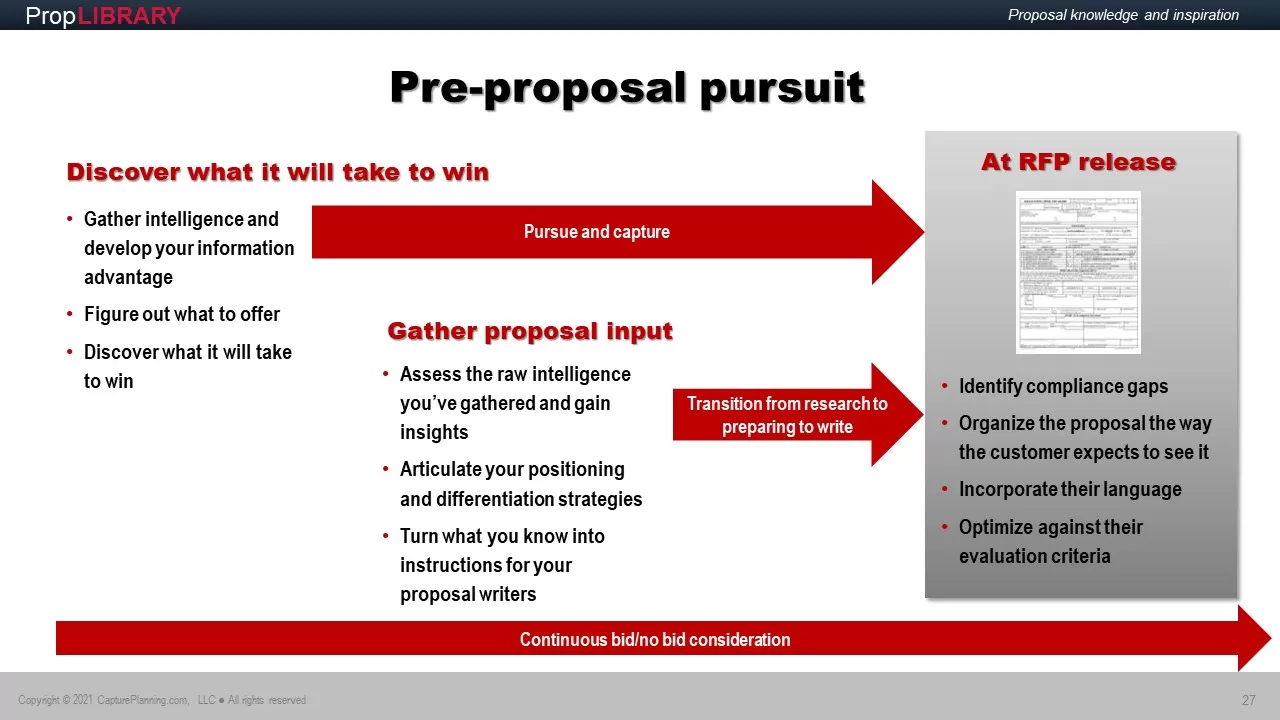 Before you are ready to start your proposal, it would be a good idea to discover what it will take to win. It's a bit hard to write a proposal based on what it will take to win if you can't articulate it. But before... Before you can articulate what it will take to win you need to... Transition to features Transition to screenshots Close it out
- 0 comments
- 3 views
-
 Here is an example of proposal writing for you to consider. I review a lot of proposals and see this style of writing all the time. In fact, a lot of people try to emulate it. How does this sound to you? Our company is based on the belief that our customers' needs are of the utmost importance. Our entire team is committed to meeting those needs. As a result, a high percentage of our business is from repeat customers and referrals. We would welcome the opportunity to earn your trust and
- 0 comments
- 5,634 views
-
 Sometimes people put a lot of time and energy into making sure their proposal tells their story. They craft their story with great care. They become attached to it. They often use up valuable page space leaving less to address the RFP requirements. The story the customer wants to read is the one about how great their future is going to be. And it’s a short story. It’s a tweet about the summary of the abstract of the short story. Who wants a lot of reading? TL;DR… The person reading t
- 0 comments
- 3,156 views
-
Customers clearly think that price matters. They are also concerned about risk. If the price is too low, the risk goes up. What they want are the features, but what they need is compliance with the specifications and anything they are required to comply with. Your best clue as to which of these matter the most is the evaluation criteria in the RFP. Look at how they evaluate each item and how much weight they give it. Then make sure that your offering and the points of emphasis in your prop
Guest
- 0 comments
- 359 views
-
 Proposal writing is not about finding the magic words that will somehow compel the customer to select your proposal over all other alternatives. It's really about understanding what the customer needs to see to reach their decision and then giving it to them. And yet most companies fail to do this. The most important skill for winning in writing is writing from the customer's perspective. Your proposal should not be about you, it should be about your customer and be written from their per
- 0 comments
- 11,588 views
-
 When we write proposals, we often don’t really know what the customer cares about. This is a big reason companies why talk about how great they are. It's easier to talk about yourself. The result is a proposal that isn’t what the customer wants, written in a way the customer doesn’t want to read. You can't win if there's nothing in your proposal that the customer cares about. Even when you have the best of intentions and put effort into discovering what the customer cares about, somehow whe
- 0 comments
- 7,589 views
-
 When the customer receives your proposal, what will they think? Nearly all the proposals I review are written about the company submitting the proposal. Is that what the customer wants to see? I can’t tell you how many hours I’ve spent discussing whether proposals should use words like “will” or “ensure.” Does the customer even notice? Are there things that matter more to the customer? The trick to figuring out how to say things in your proposal is to be able to see your proposal like
- 0 comments
- 9,518 views
-
 Writing an RFP is harder than writing a proposal. If you are a proposal writer and have never written an RFP, especially for something you need created or developed, you should try it some time. It is a great way to improve your ability to see things from the customer’s perspective. Even if you can clearly express what you want, doing so in a way that someone else won’t misinterpret is challenging. And most RFP writers are not experts, either in articulating what they want or in writing RFP
- 0 comments
- 5,693 views
-
 The proposal becomes part of the conversation when it responds to something the customer said, usually in the form of an RFP, and then gives them an opportunity to continue the conversation, usually by accepting your proposal. But there is more to it than that. When making the proposal part of a conversation is part of your strategy, you have to be the company that the customer would most like to continue the conversation with. That means you have to put things on the table to discuss in a
- 0 comments
- 4,313 views
-
 Customers ask for descriptions, even though that is not what they really want. They are not being sneaky, they just don’t know what to put in their RFPs, so they ask you to describe things they think are relevant to what they are trying to do. If you understand the decision they have to make, then you can address what they really need to know when you respond to what they asked for. When they say: Describe your company. They mean, “What can you do for me?” They also mean, “Can I tru
- 0 comments
- 6,064 views
-
 What value does the customer get from reading your proposal? Oh sure, they’re going to get what you are proposing, but if you’re responding to an RFP they pretty much already know what that is. And besides, if the RFP told you what to bid, then they definitely know what it is. Reading your proposal is a chore. The customer doesn’t even assign their best people to it. It’s a chore because it’s a mechanical task of making a selection based on matching criteria and following procedures. The ev
- 0 comments
- 7,422 views
-
 You don’t have to be a proposal specialist to win. In fact, a non-specialist can easily beat a specialist. All you need to do is have a better understanding of your customer’s needs and preferences. That is more important than your proposal writing skills. Far more important. If you do a good job at gaining an information advantage regarding the customer’s needs and preferences, you can often win, even though you did a mediocre job of putting it in writing. But if you don’t have an informat
- 0 comments
- 9,969 views
