
Articles
-
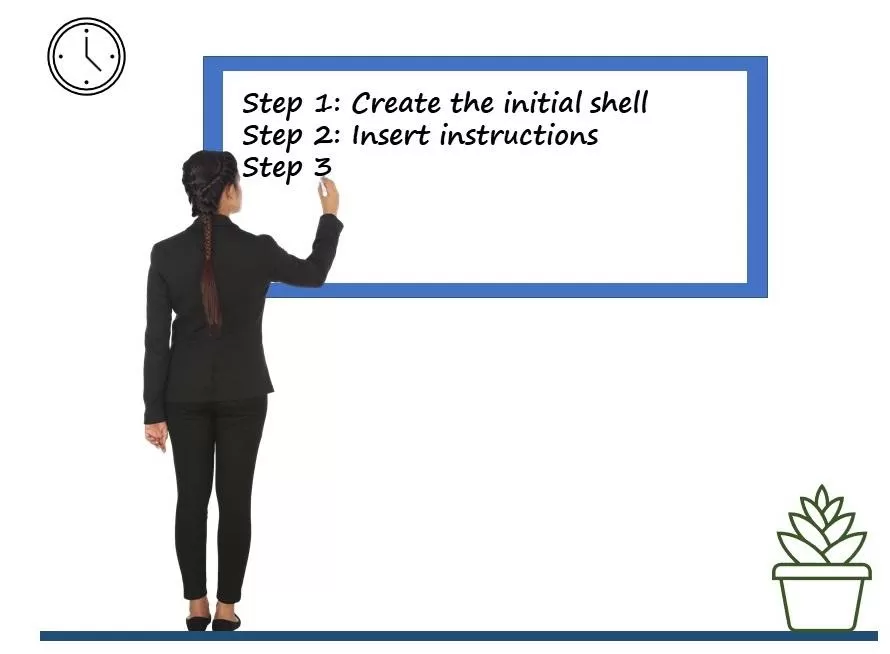 Building a Proposal Content Plan through an iterative process: The 8 iterations can be implemented one at a time in sequence or used like a checklist to expedite figuring out what to write: Create the initial shell. Insert instructions for addressing RFP requirements. Add instructions for incorporating win strategies and themes, and to optimize the proposal against the evaluation criteria. Add instructions for incorporating your cust
- 0 comments
- 8,241 views
-
 The CapturePlanning.com MustWin Process and Content Planning are both designed with proposals based on written RFPs in mind. However, if your customer isn’t going to issue a written RFP you can still adapt the approaches. All you need to do is formally identify the customer’s requirements. The challenge will be identifying the customer’s requirements. Your sales process and other customer contacts should incorporate questions designed to solicit this information from the customer. T
 Guest
Guest- 0 comments
- 251 views
-
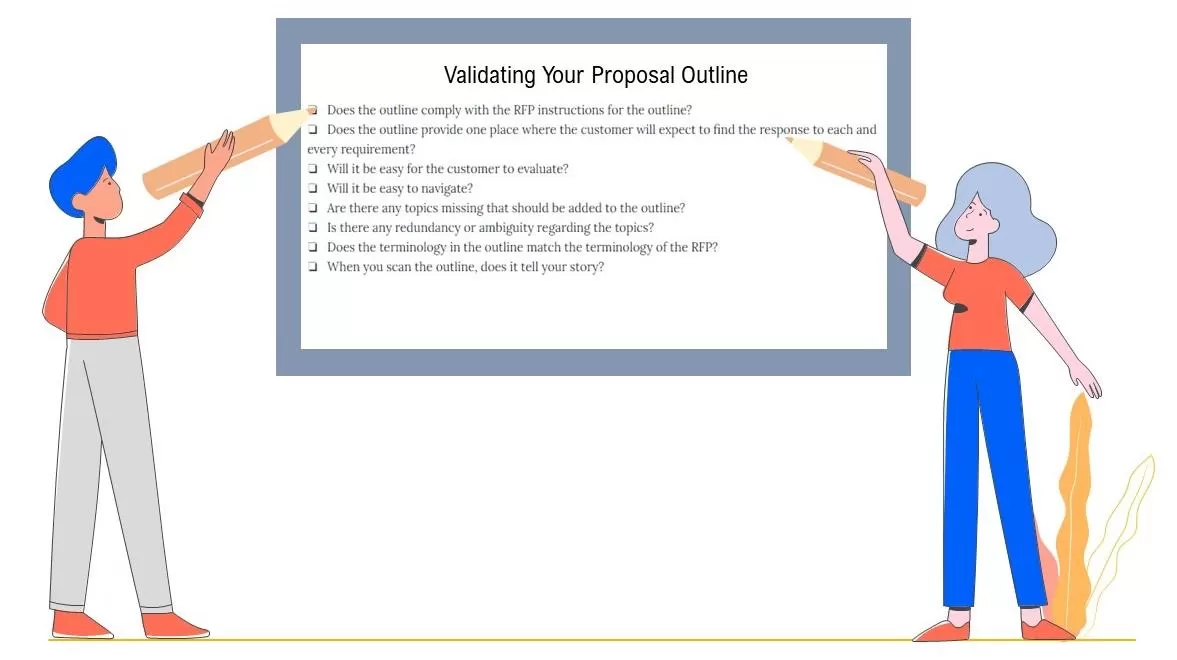 When you have completed your proposal outline, you can use the following checklist to validate it: ❏ Does the outline comply with the RFP instructions for the outline? ❏ Does the outline provide one place where the customer will expect to find the response to each and every requirement? ❏ Will it be easy for the customer to evaluate? ❏ Will it be easy to navigate? ❏ Are there any topics missing that should be added to the outline? ❏ Is there any redundancy or ambiguity
- 0 comments
- 461 views
-
 It takes more than just good wording for themes to be effective. Do they add up to a winning evaluation score? For your proposal to win, it must achieve the winning score. Your themes should not only be scoreable, but should achieve a winning score. They should reflect the wording of the evaluation criteria and should reflect what it takes to get a winning score instead of an unsubstantiated statement about being the best solution for the customer’s needs. Do they reflect your co
Guest
It takes more than just good wording for themes to be effective. Do they add up to a winning evaluation score? For your proposal to win, it must achieve the winning score. Your themes should not only be scoreable, but should achieve a winning score. They should reflect the wording of the evaluation criteria and should reflect what it takes to get a winning score instead of an unsubstantiated statement about being the best solution for the customer’s needs. Do they reflect your co
Guest- 0 comments
- 366 views
-
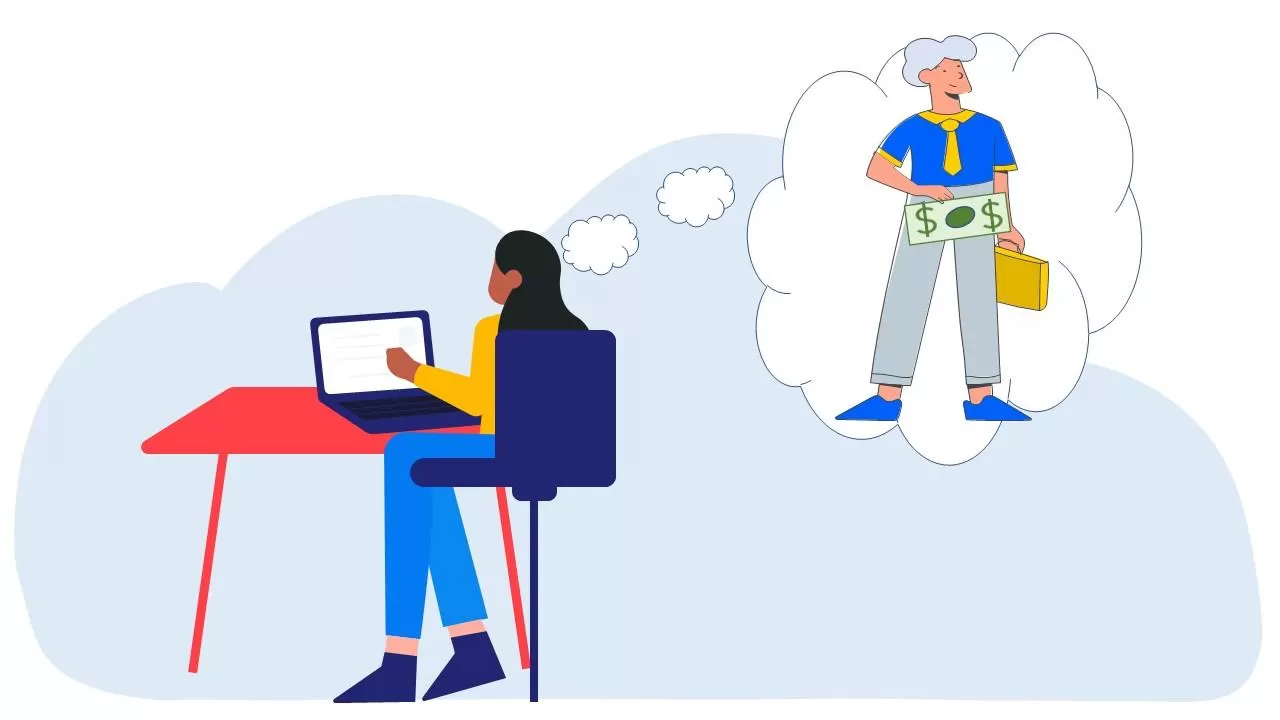 When you receive a proposal, what information do you need in order to decide whether to approve it? The decision maker starts with questions and looks for answers. They don’t read your proposal. They look for answers. When you are the decision maker, your questions might include: What am I going to get or what will the results be? What do you want (from me)? How much is it going to cost and is it worth it? What will it take to make it happen? What could g
- 0 comments
- 343 views
-
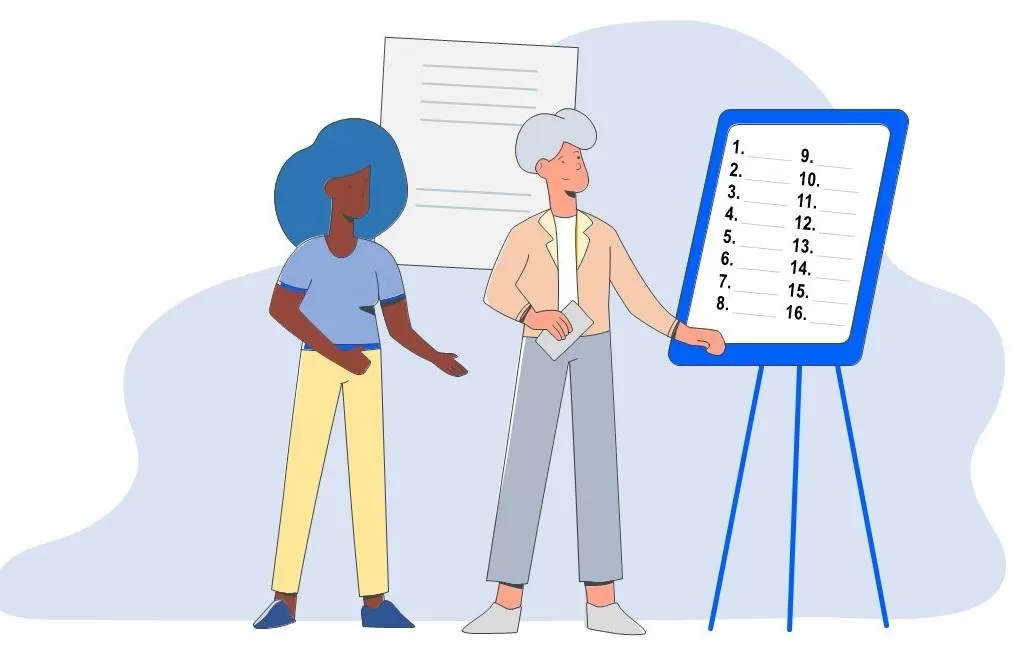 If there is no RFP, then it’s up to you to figure out how to organize your proposal. When there is an RFP, it sets the customer's expectations regarding how you should organize your proposal. But it may only do so at a high level, leaving you to organize things at the detail level (provided you remain compliant with the RFP). Here are some ways to organize your outline when it is up to you: Expectations. By far, the most important consideration in organizing your proposal is to ful
- 0 comments
- 431 views
-
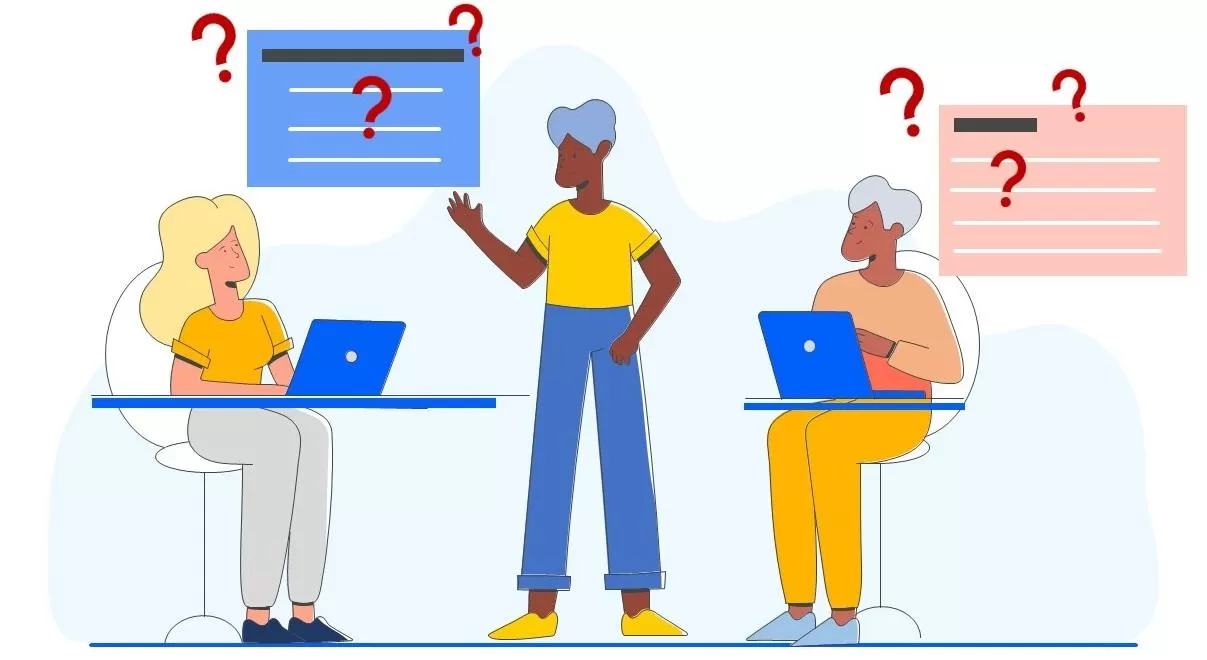 There are three competing interests when wording headings for a proposal, and they are listed in priority order: Making it easy for the customer to find things in your proposal. Telling a story through your headings alone. Logically organizing what you have to say. Making it easy for the customer to find things in your proposal, means: You must give using the customer’s wording the highest priority. If they have specified an
- 0 comments
- 300 views
-
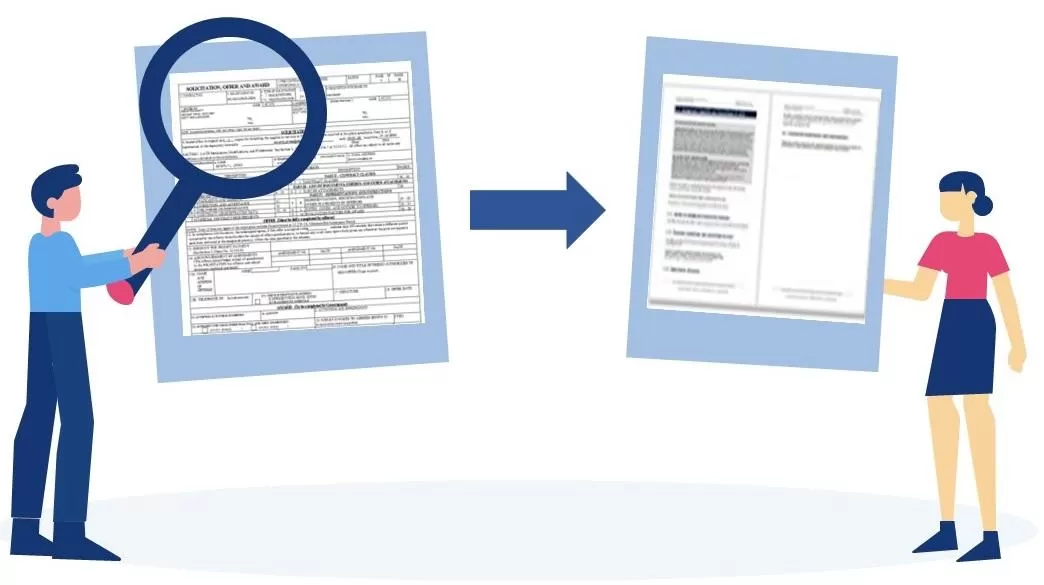 Ambiguity in the language of the RFP can make it difficult to determine what the customer’s expectations are and how you should structure your proposal to fulfill them. Often an RFP will describe in a narrative what they want you to address in your proposal. To prepare your proposal you have to create an outline based on what they have described. You have to decide what topics should get headings and what topics should be addressed under the headings you identify. Doing this will involve
- 0 comments
- 5,187 views
-
 Steps for creating a proposal outline: Create a Compliance Matrix based on the RFP. Create the outline as you parse the RFP requirements in the Compliance Matrix. Use the outline to begin Proposal Content Planning, where you figure out everything else that needs to go into your proposal in order to win. Creating the outline and the compliance matrix go hand in hand. You should start by following any instructions the RFP may contain regarding how
- 0 comments
- 683 views
-
 Before you can create proposal criteria, you have to understand what it will take to win Proposal Quality Validation starts with identifying what it will take to win. This is the standard used to measure quality against. The MustWin Process facilitates identifying what it will take to win by collecting the intelligence you will need during the pre-RFP phase. The MustWin Process will also guide you through preparing a list to document what it will take to wi
Guest
Before you can create proposal criteria, you have to understand what it will take to win Proposal Quality Validation starts with identifying what it will take to win. This is the standard used to measure quality against. The MustWin Process facilitates identifying what it will take to win by collecting the intelligence you will need during the pre-RFP phase. The MustWin Process will also guide you through preparing a list to document what it will take to wi
Guest- 0 comments
- 283 views
-
 Four ways to determine what it will take to win: What it will take to win will be different with each pursuit. Readiness Reviews help you collect intelligence about the customer, opportunity, and competitive environment, but you still need to assess it to determine what it will take to win. Here are four different ways to look at things to help you assess what it will take to win: What will it take to convince the customer to select you? What motivates the customer? What matters to
Guest
Four ways to determine what it will take to win: What it will take to win will be different with each pursuit. Readiness Reviews help you collect intelligence about the customer, opportunity, and competitive environment, but you still need to assess it to determine what it will take to win. Here are four different ways to look at things to help you assess what it will take to win: What will it take to convince the customer to select you? What motivates the customer? What matters to
Guest- 0 comments
- 173 views
-
 The following list of potential themes is intended to provide inspiration. Each theme below is followed by an example. However, details and substantiation are what separate an empty claim from a persuasive statement. Use the words below for inspiration, but make sure you include the specifics of their environment and your solution and how it will benefit your customer so that your themes will really stand out. The following list provides 101 Win Themes for
Guest
The following list of potential themes is intended to provide inspiration. Each theme below is followed by an example. However, details and substantiation are what separate an empty claim from a persuasive statement. Use the words below for inspiration, but make sure you include the specifics of their environment and your solution and how it will benefit your customer so that your themes will really stand out. The following list provides 101 Win Themes for
Guest- 0 comments
- 0 views
-
 The following list of potential themes is intended to provide inspiration. Each theme below is followed by an example. However, details and substantiation are what separate an empty claim from a persuasive statement. Use the words below for inspiration, but make sure you include the specifics of their environment and your solution and how it will benefit your customer so that your themes will really stand out. The following list provides 101 Win Themes for
Guest
The following list of potential themes is intended to provide inspiration. Each theme below is followed by an example. However, details and substantiation are what separate an empty claim from a persuasive statement. Use the words below for inspiration, but make sure you include the specifics of their environment and your solution and how it will benefit your customer so that your themes will really stand out. The following list provides 101 Win Themes for
Guest- 0 comments
- 542 views
-
 Themes come from many sources, all of which depend on having the right information. These include what you know about: The opportunity The customer The competitive environment Yourself and your offering The RFP The following table can help point you in the right direction to identify themes for your proposal: Source Consider Topics Like: Opportunity Intelligence What are thei
Guest
Themes come from many sources, all of which depend on having the right information. These include what you know about: The opportunity The customer The competitive environment Yourself and your offering The RFP The following table can help point you in the right direction to identify themes for your proposal: Source Consider Topics Like: Opportunity Intelligence What are thei
Guest- 0 comments
- 220 views
-
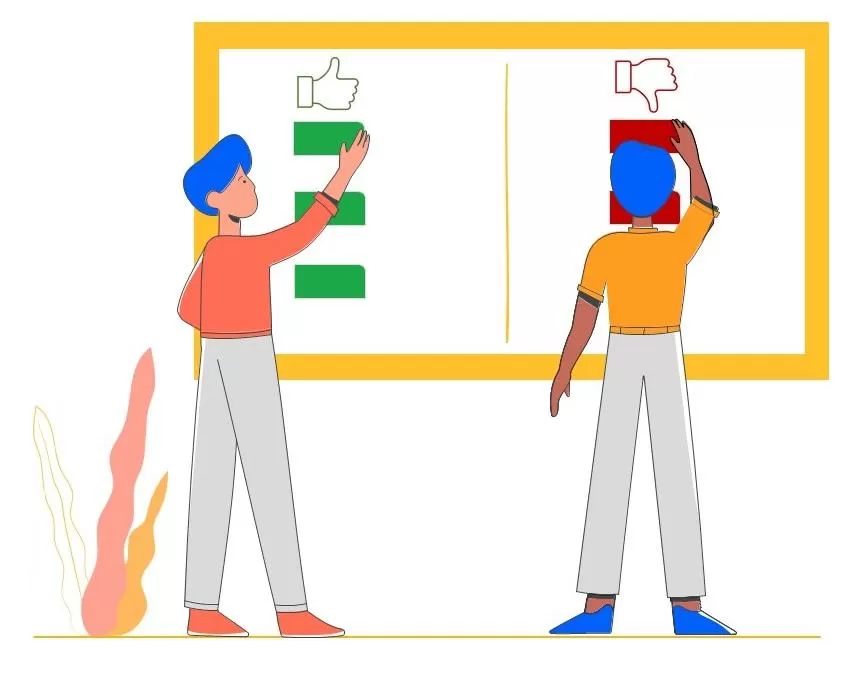 Attributes of good themes: Does it reflect a result or benefit to the customer instead of an attribute of your offering? Does it matter? Is it believable? Does it address what the customer wants? Does it discriminate you from your competition? Does it reflect the conclusion you want the reader to reach? Can it be scored? Bad Themes: Do not pass the “So what?” test Matter to the writer, but not to the evaluator Are impossi
Guest
Attributes of good themes: Does it reflect a result or benefit to the customer instead of an attribute of your offering? Does it matter? Is it believable? Does it address what the customer wants? Does it discriminate you from your competition? Does it reflect the conclusion you want the reader to reach? Can it be scored? Bad Themes: Do not pass the “So what?” test Matter to the writer, but not to the evaluator Are impossi
Guest- 0 comments
- 198 views
-
 Most proposal theme statements are either: Grandiose statements that sound like bragging and are completely unsubstantiated. Like being the largest, best-industry leader ever. Or: Bland, boring statements that the customer should pick the company submitting the proposal without explaining why. So much blah, blah, blah. Both of them are a result of trying to describe yourself in favorable terms or how you want to be seen. But they don’t provide any value to the customer or h
Guest
Most proposal theme statements are either: Grandiose statements that sound like bragging and are completely unsubstantiated. Like being the largest, best-industry leader ever. Or: Bland, boring statements that the customer should pick the company submitting the proposal without explaining why. So much blah, blah, blah. Both of them are a result of trying to describe yourself in favorable terms or how you want to be seen. But they don’t provide any value to the customer or h
Guest- 0 comments
- 197 views
-
 Win strategies and themes provide the customer with a reason to select you. If you do not communicate them to your writers, the proposal will not be written to substantiate them. You should distribute a copy of your win strategies and themes that you want your writers to substantiate. You can use this form to help identify them. You should prepare a list of theme statements before the RFP is released so that your plans reflect your win strategies. Once
Guest
Win strategies and themes provide the customer with a reason to select you. If you do not communicate them to your writers, the proposal will not be written to substantiate them. You should distribute a copy of your win strategies and themes that you want your writers to substantiate. You can use this form to help identify them. You should prepare a list of theme statements before the RFP is released so that your plans reflect your win strategies. Once
Guest- 0 comments
- 151 views
-
 Proposal themes are how you implement your win strategies in writing. They articulate the reasons why the evaluation should select you. In your final proposal, themes can take many forms. They can be headings and subheadings, go in text boxes, be part of the text, or be captions for graphics. In a sense, the entire proposal can be thought of as one big theme statement. How you present them is determined by the design of your proposal template. In order to be effective, your theme
Guest
Proposal themes are how you implement your win strategies in writing. They articulate the reasons why the evaluation should select you. In your final proposal, themes can take many forms. They can be headings and subheadings, go in text boxes, be part of the text, or be captions for graphics. In a sense, the entire proposal can be thought of as one big theme statement. How you present them is determined by the design of your proposal template. In order to be effective, your theme
Guest- 0 comments
- 192 views
-
 Kickoff meetings can help get everyone on the same page, with the same set of expectations The Proposal Manager should determine the schedule, agenda, and goals for the kickoff meeting. The Proposal Manager should coordinate with the Capture Manager, Executive Sponsor, and other key stakeholders prior to the meeting, and then lead the meeting when it is time. Kickoff meetings are held to announce the start of the proposal. At the kickoff meeting you may:
Guest
Kickoff meetings can help get everyone on the same page, with the same set of expectations The Proposal Manager should determine the schedule, agenda, and goals for the kickoff meeting. The Proposal Manager should coordinate with the Capture Manager, Executive Sponsor, and other key stakeholders prior to the meeting, and then lead the meeting when it is time. Kickoff meetings are held to announce the start of the proposal. At the kickoff meeting you may:
Guest- 0 comments
- 318 views
-
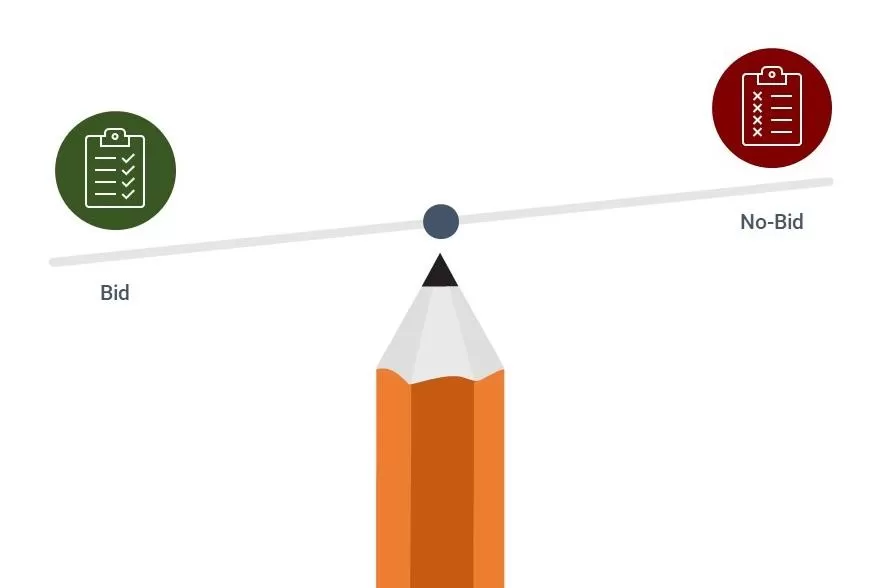 You should make a conscious decision whether a pursuit is worth investing in Think about the price of continued investment and not what you have already spent. Discipline is required to “no bid” opportunities that are a bad match, not worth pursuing, or simply questionable. The burden should be on justifying pursuit of the opportunity, and not on cancelling it. Deciding whether to bid an opportunity is not just a matter of guessing how much mone
- 0 comments
- 896 views
